
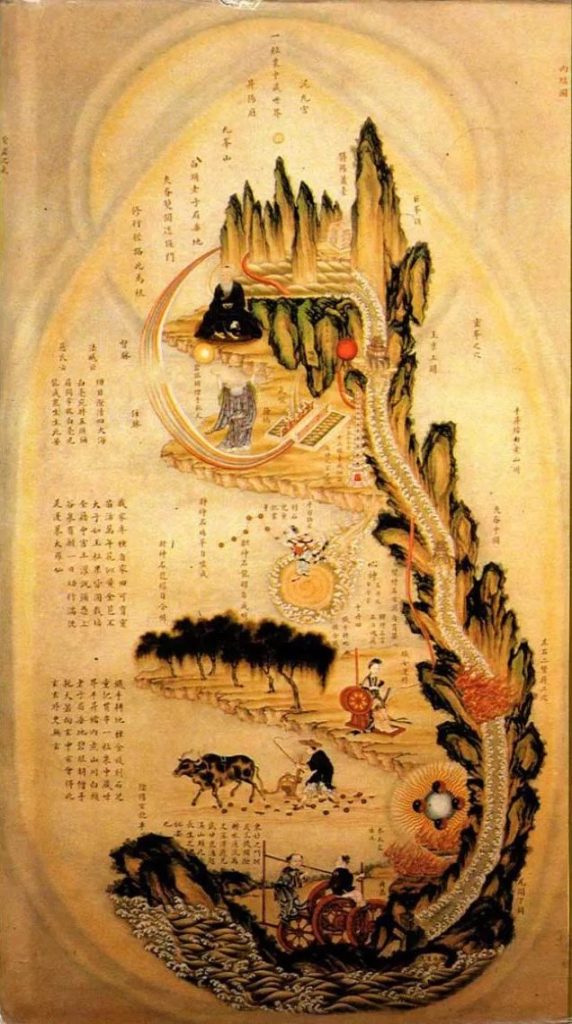
The Chart of the Inner Warp
The Neijing Tu¹ is a famous 19th-century diagram carved on a stone stele in Beijing’s White Cloud Temple. Rooted in Taoist cosmology and the tradition of Inner Alchemy, it depicts the body as a living landscape of mountains and rivers, pathways and gates through which vital force (Qi) moves and transforms.
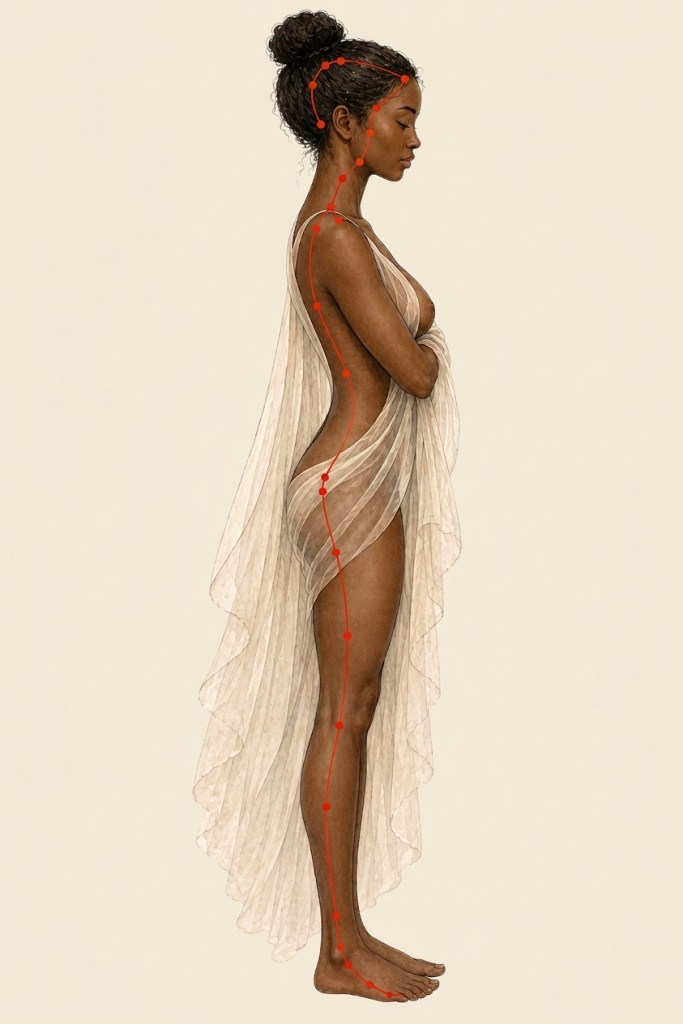
For our purposes in Inner Seasons, it may serve as a window into the energetic transformations of Qi Gong practice, including the re-awakening to the deeper pathways we know as the Eight Extraordinary Vessels.
Qi Jing Ba Mai
奇經八脈
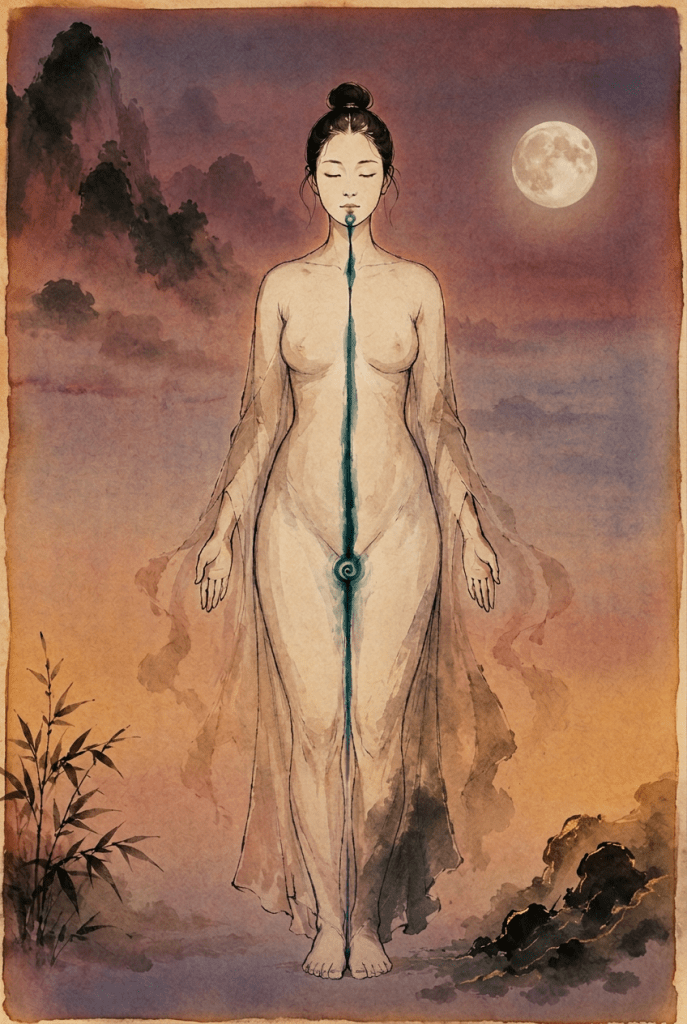
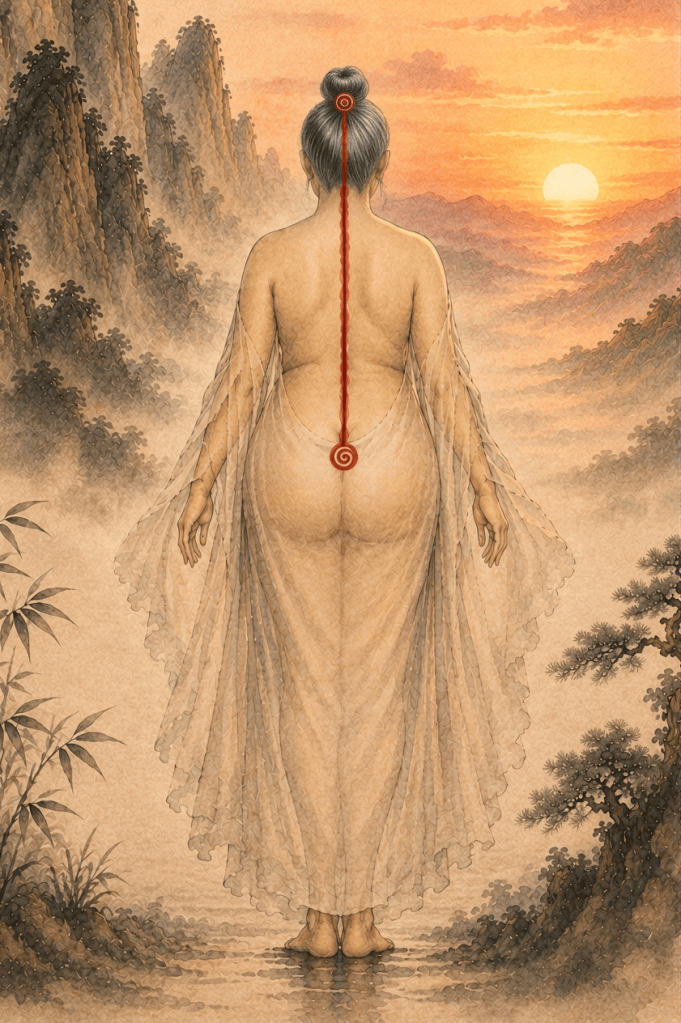
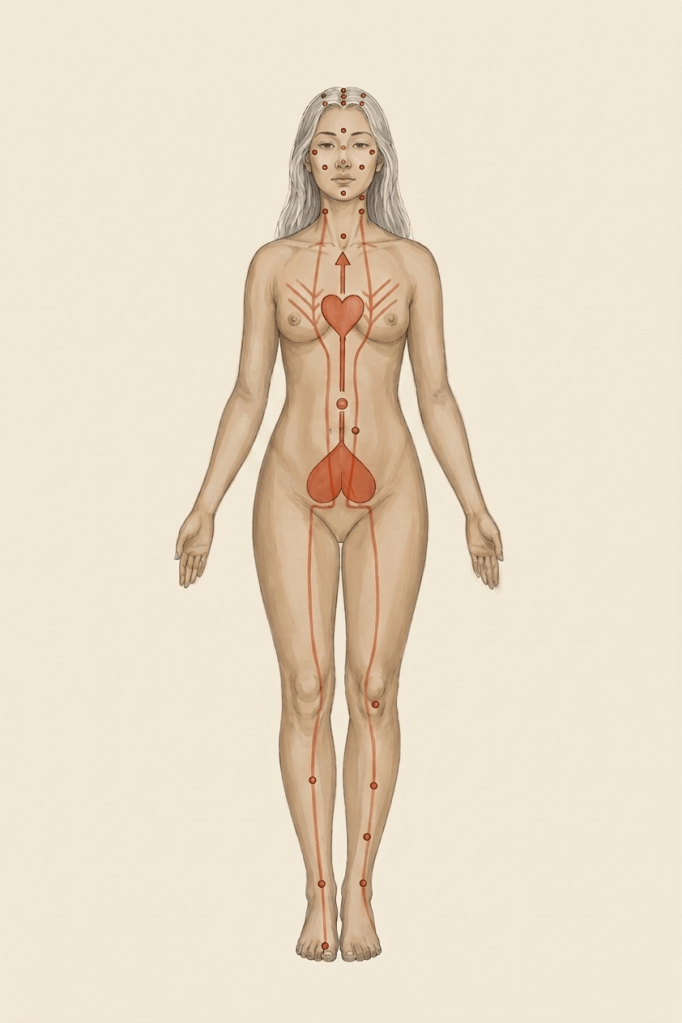
The Eight Mysterious Vessels, also known as the Ancestral, Constitutional or Extraordinary meridians, offer a doorway into Destiny—not as a plan imposed upon us, like fate, but as Mystery gradually unraveling us as we become the architects of our own lives. We call them mysterious not because they are inaccessible, but because they run very, very deep in our bodies, holding the seeds of our originalness.
The Eight not only tell the story of how our Original Nature takes form as this particular life, but are also the pathways through which we may find our way back home. They offer us a map and a wise compass, but the map is not the territory. As we enter the Primordial Ocean and the Wilderness of our own nature, each of us must learn to recognize and trust our own way.
Throughout Inner Seasons, we will re-member the Eight through movement and the Inner Caves we enter along the Way. This page offers a map of the larger pathways to which those caves belong.
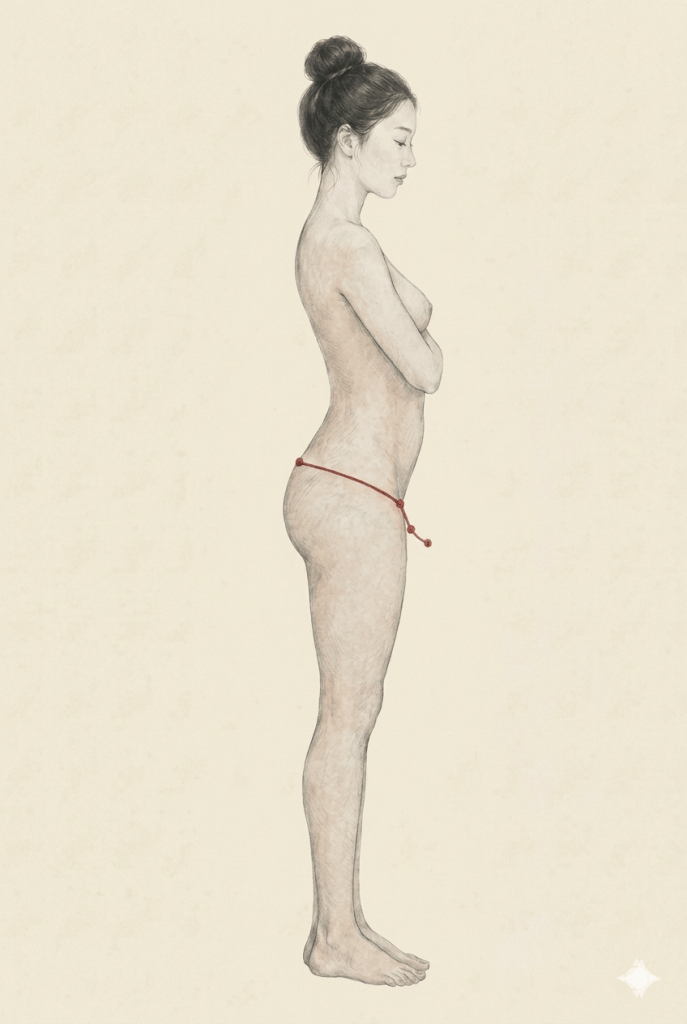
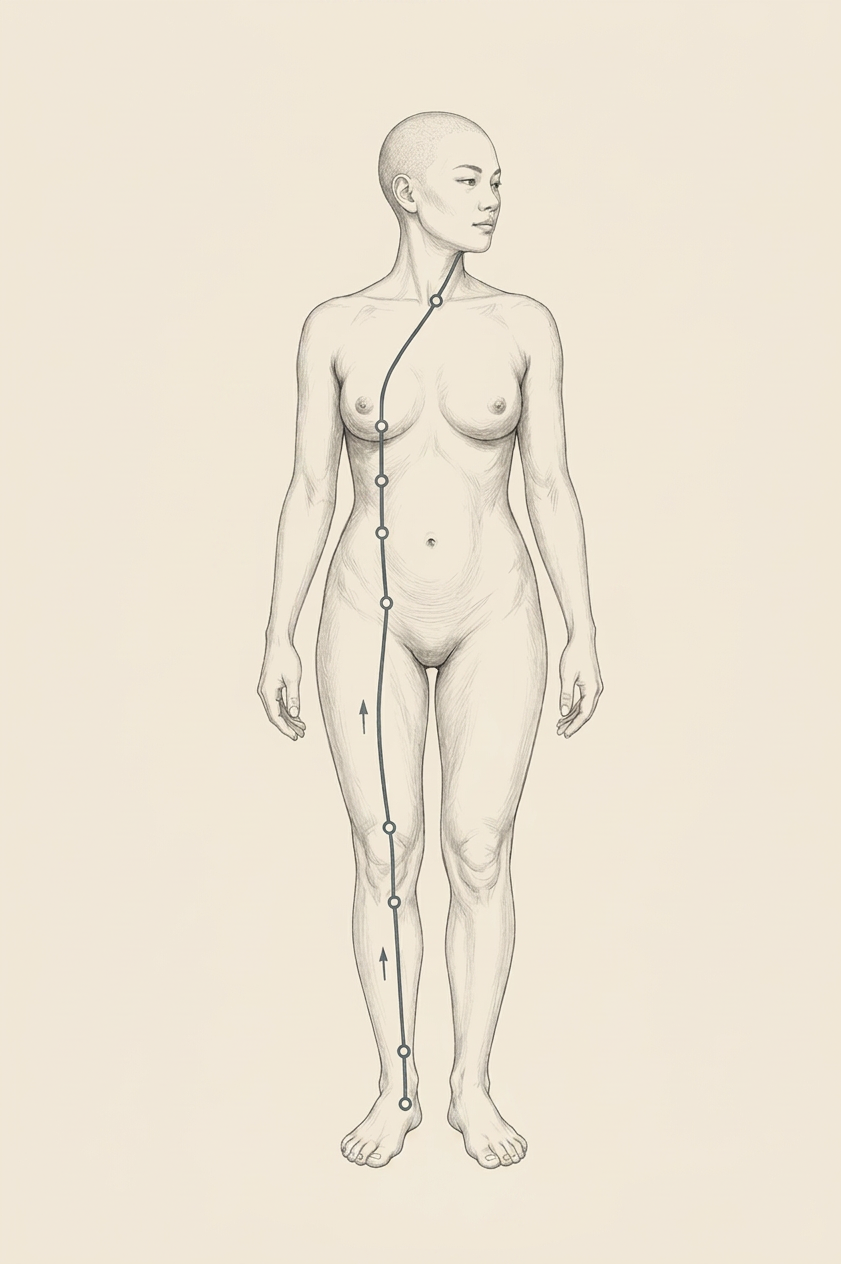
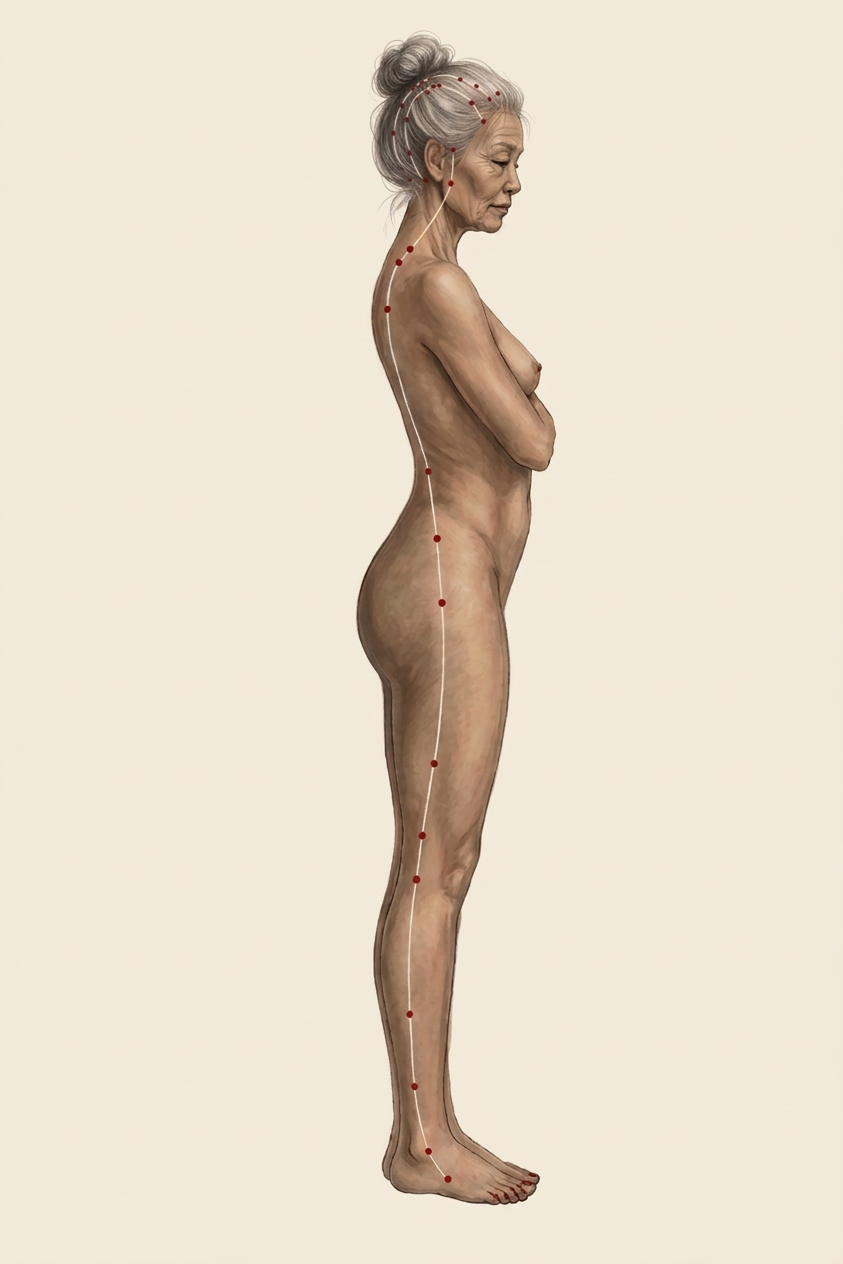
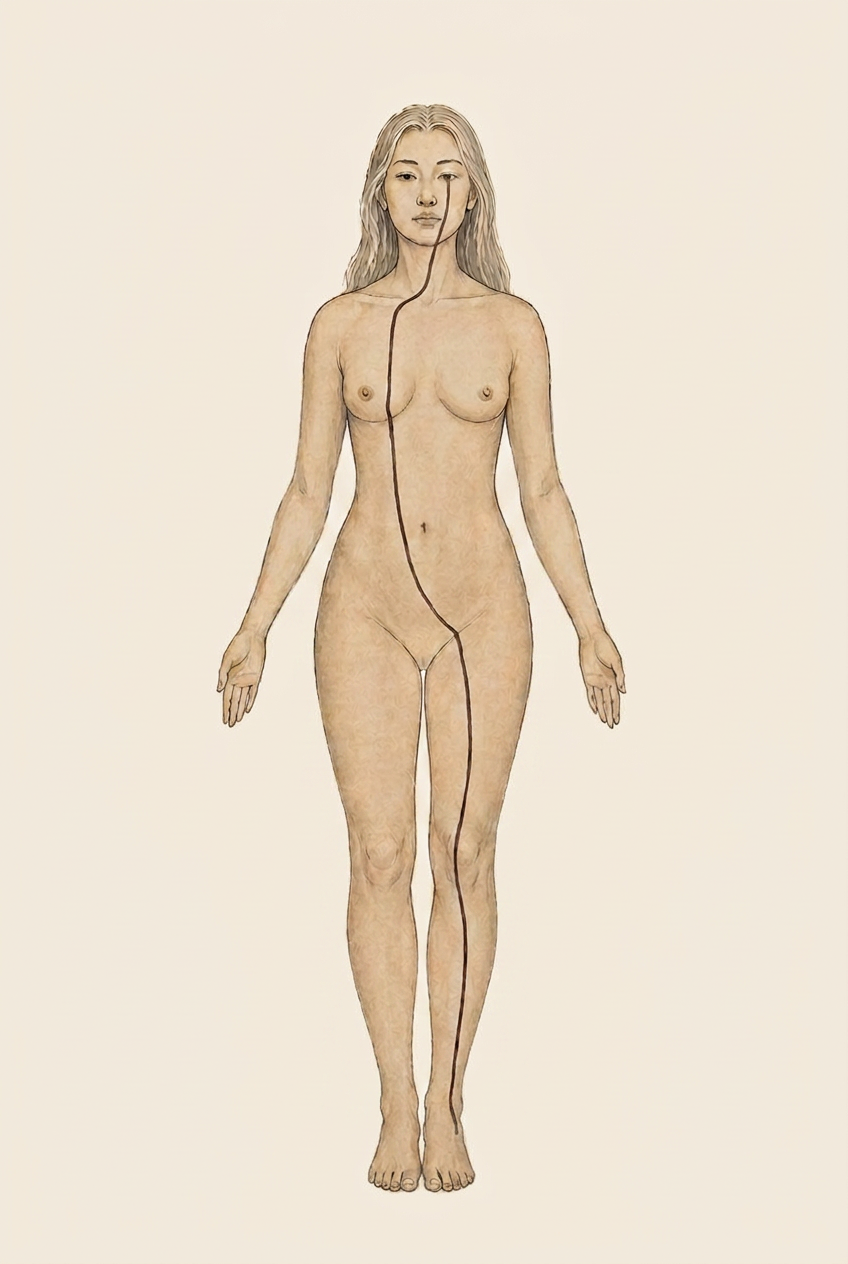
_______
¹ 經 Jing is a character you have met before. It is the Ching of the Tao Te Ching—the warp thread through which the wisdom of the Tao has been carried across generations. It is also the Jing of Jing Xue 經穴, the Inner Caves through which we enter our body pathways, and the Jing of Qi Jing Ba Mai 奇經八脈, the Eight Mysterious Vessels.

