
The PathWays
Throughout Inner Seasons, we will enter, explore, and sometimes wrestle with ways and paths that cannot be mapped in advance, but only felt in the moment and through experience. Think of them as threads whose pattern gradually becomes visible through practice, reflection, and attention until we realize, perhaps, that they have been weaving us all along.
The Thread
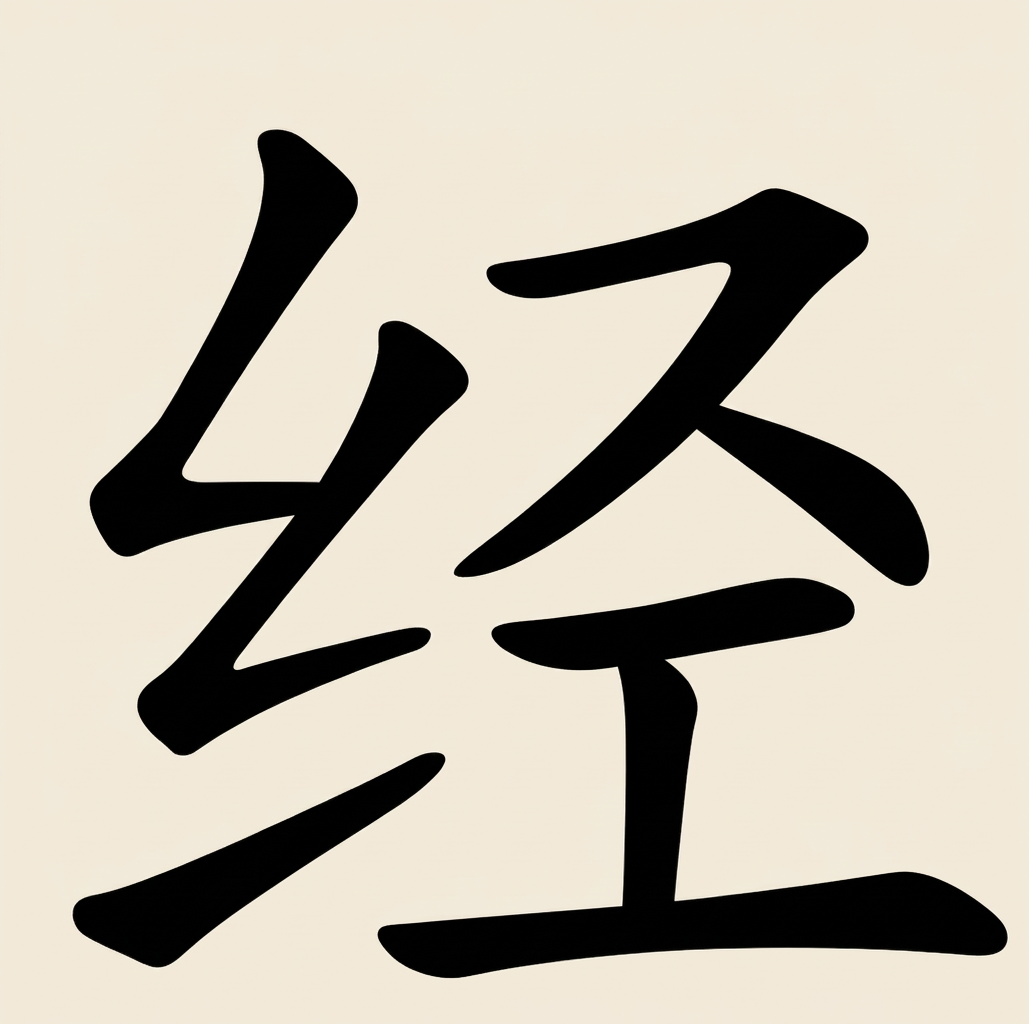
This is the Chinese character we will move with and return to throughout our journey. Its earliest meaning was the warp thread of a loom—the strong vertical threads that hold a woven cloth together while every other thread passes through them. Without the warp, there is no fabric. Over time, 經 came to describe that which provides continuity through change: a pathway, a meridian, a classic, even a sacred text. It is the character found in the Tao Te Ching, the body’s meridians (經絡), the acupuncture caves (經穴), and the Extraordinary Vessels (奇經八脈).
Throughout Inner Seasons, 經 is the thread that weaves the many into One.
The Mysterious
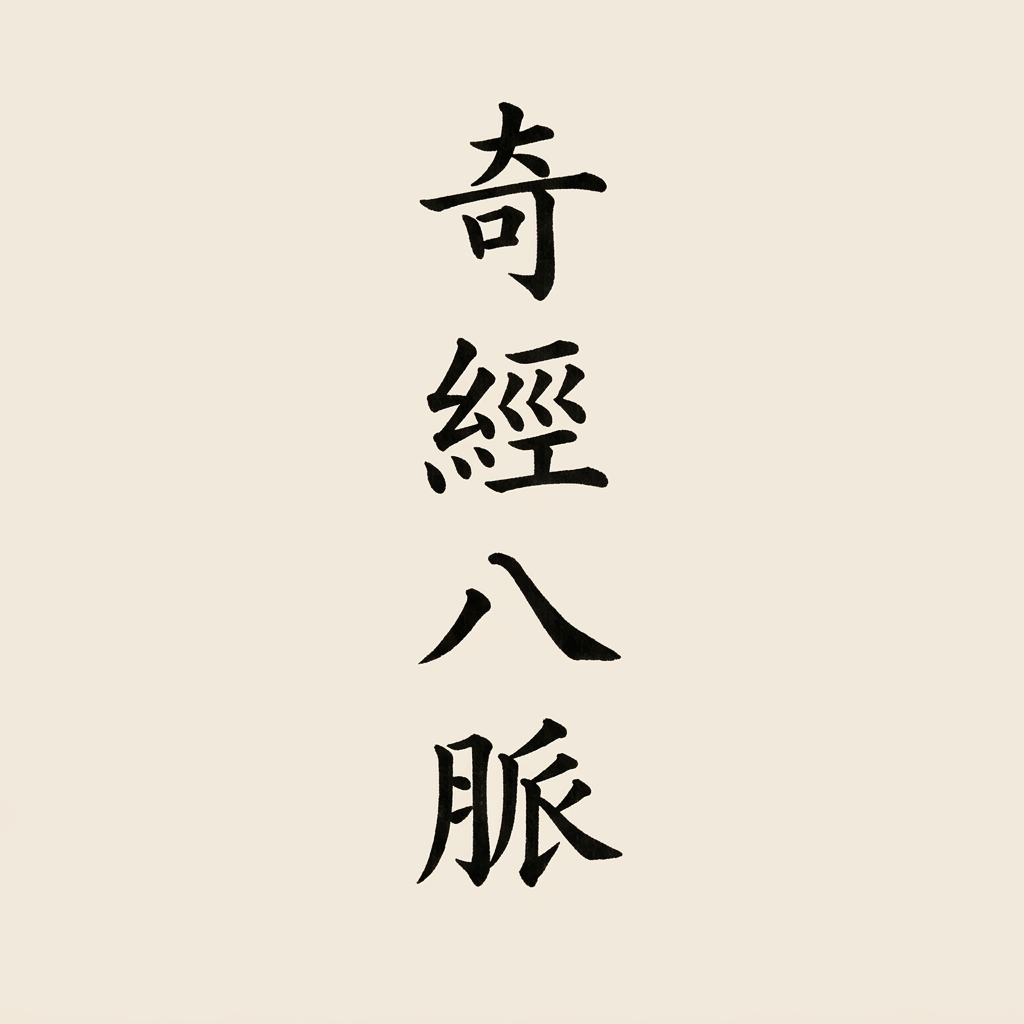
The Eight Extraordinary Vessels, also known as the Ancestral or Constitutional meridians, offer a doorway into Destiny—not as a plan imposed upon us, like fate, but as Mystery gradually unraveling us as we become the architects of our own lives. We call them mysterious not because they are inaccessible, but because they run very, very deep in our bodies, holding the seeds of our originalness.
Throughout Inner Seasons, we will enter The Eight one movement, one cave, and one weekly reflection at a time.
Qi Cultivation
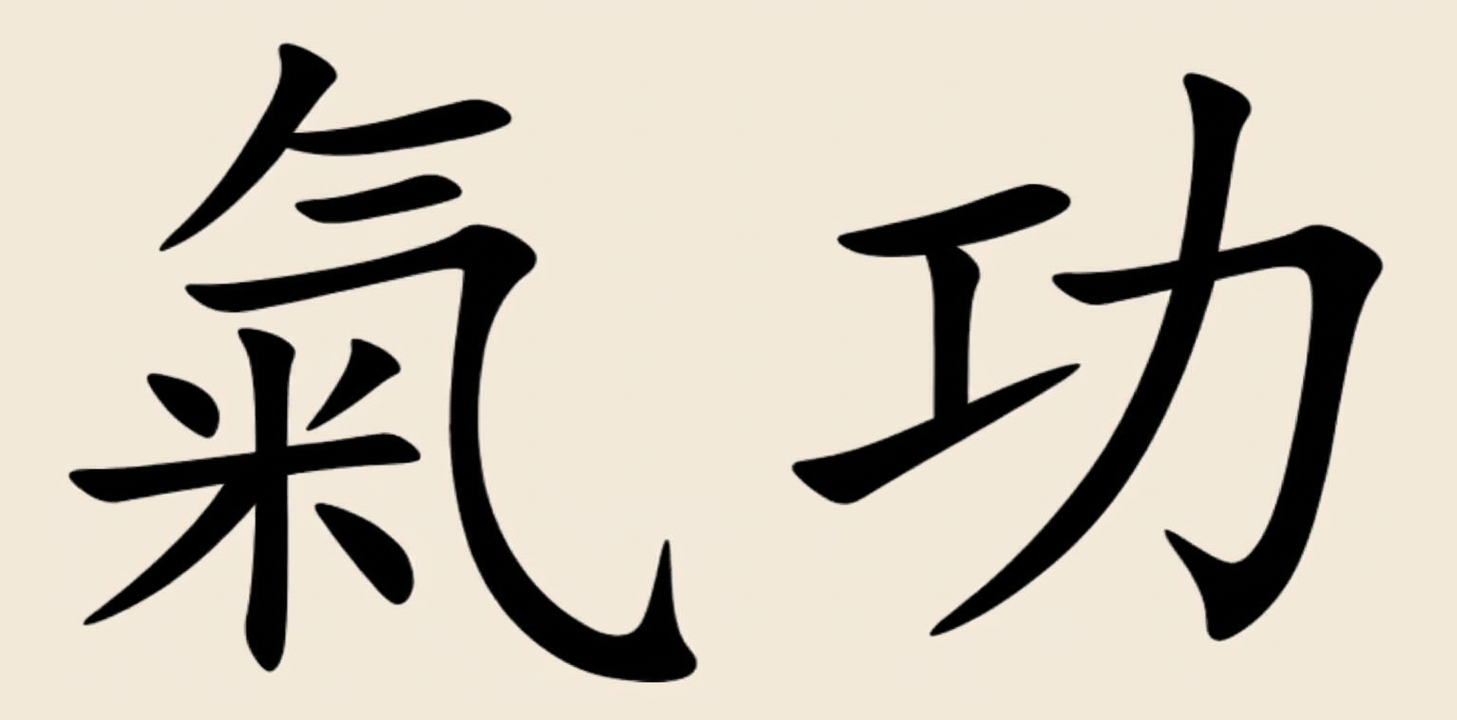
氣 (Qi) has many meanings, including breath, vitality, life force, and energy. 功 (Gong) is cultivated practice—a skill developed through time, patience, and repetition. Together, Qi Gong is the practice of recognizing and refining our vital force. My hope is that, in doing so, we continue to learn new ways of honoring Qi in all its manifestations—from the Earth to the Stars.
八段錦 Ba Duan Jin. The Eight Treasures.
The Qi Gong practice that will guide us throughout our time together is Ba Duan Jin, traditionally translated as The Eight Pieces of Brocade. Although the earliest written reference appears during the Song Dynasty (1162 AD), the practice itself is undoubtedly much older.
In the 1970s, Taoist Teacher Hua-Ching Ni¹ carried the tradition of the Brocades to the West, referring to them as The Eight Treasures. The practice unfolds through eight sets of movements, comprising thirty-two movements in total. Throughout our sixteen months together, we will embody each Piece of Brocade, allowing time for the Treasures to gradually reveal their medicine.²
The Caves
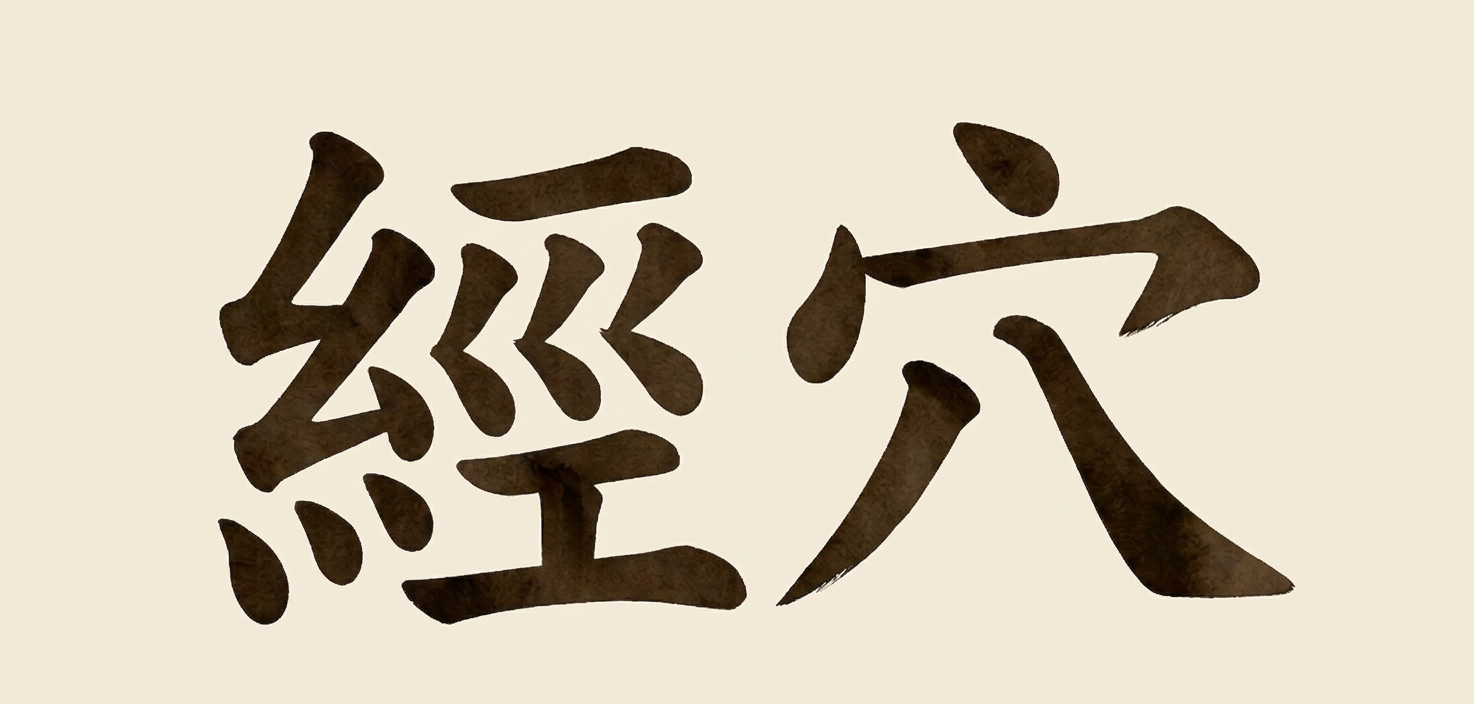
The Chinese word for an acupuncture point is 經穴 (Jing Xue). 經 (Jing) is the thread or pathway we have been following throughout this page. 穴 (Xue) means cave—a sheltered opening, a hollow in the landscape, a place we enter rather than observe from the outside.
Throughout Inner Seasons, we will call these points Inner Caves. Rather than asking what they do, we will enter them through the practice of The Treasures and our weekly reflections—not as destinations to reach or techniques to master, but as living thresholds into deeper relationship with ourselves and with the Mystery that permeates us.
____
¹ Learn more about the Ni Family lineage at the College of Tao →
² I first encountered The Eight Treasures while studying Traditional Chinese Medicine at Yo San University under the guidance of Dr. Mao Shing Ni and Dr. Dao Shing Ni. For more than twenty years they have informed both my personal practice and my teaching. It is with deep gratitude for this living lineage that I now have the privilege of sharing them with you.

