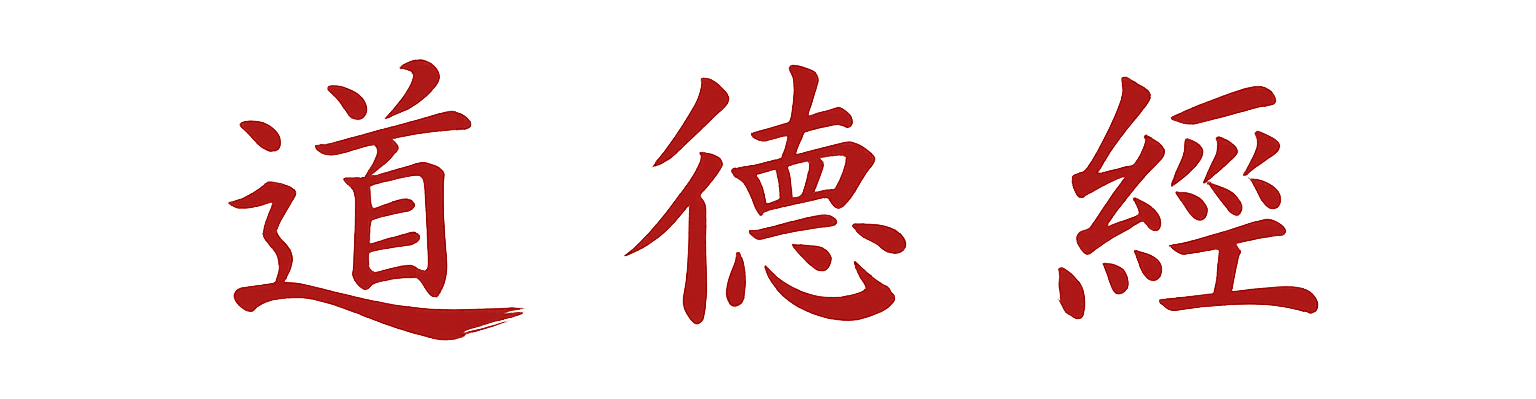
Living the Way
an Invitation into the Tao Te Ching
The Tao Te Ching is a timeless classic of Taoist wisdom traditionally attributed to a sage known as Lao Tzu, who is said to have written it toward the end of the sixth century BCE. For more than two thousand years, its eighty-one brief chapters have been read, contemplated, and lived by scholars and emperors, poets and hermits, physicians and mystics, seekers and skeptics alike. Yet despite its enduring influence, it remains one of the most elusive books ever written. Perhaps that is because it was never meant to tell us what to think or how to live. Instead, it invites us to notice something so subtle that it is often mistaken for absence, though it has been present all along…
The rising and setting of the sun.
The waxing and waning of the moon.
The turning of the seasons.
The rhythm of the breath.
The unfolding of a lifetime.
Woven through them all is a subtle current—a vibration, a something that refuses names but allows itself to be felt and recognized through its countless expressions. More than two thousand years ago, Lao Tzu used the word Tao—the Way—to point toward this mystery.
Meeting The Characters
Throughout this program, we will often pause to explore the Chinese characters that shape the Tao Te Ching. Not because understanding the language is necessary, but because these ancient characters often preserve layers of meaning that no single English word can fully express.
Rather than seeking definitive definitions, I invite you to approach each character as another doorway—another invitation to notice.

“Tao, the subtle reality of the universe”
— Hua Ching Ni
Together, 首 and 辶 invite us to recognize the path we are already walking…and the one who is walking it.

“Te is the Tao at work.”
— Han Fei
Together 彳 and 直 , these elements evoke a heart aligned with the Way. Te is not the virtue of adhering to a moral code, but the Tao expressing itself naturally through each being.

Together, 糸 and 經 evoke the warp threads stretched across a loom before any cloth can be woven. Everything else changes. The threads remain. Perhaps this is why a Ching is called a classic: not because it is old, but because it continues to weave us through changing times.
Individually, each character for the word Tao Te Ching opens a doorway. Together, they become the title of this ancient companion.

One way of hearing the Tao Te Ching is The Book of the Way. Other translators have rendered it as The Book of the Way and Virtue, The Book of the Immanence of the Way, or The Book of the Way and Its Manifestations in the World.
None of these translations contains the whole. Each reveals a different hue of the Unnamable…
Receiving the Chapters
Throughout our Inner Seasons journey, you’ll receive a weekly email with a chapter from the Tao Te Ching together with a reflection inspired by it.
At times, I’ll share perspectives drawn from the Five Elements, the Eight Treasures Qi Gong, or the wisdom of other Taoist voices that have walked with me over the years. These reflections are not meant to explain the chapter or offer a definitive interpretation. Rather, they are invitations into conversation—one way of entering the living field each chapter opens.
I encourage you to bring the chapter into your Qi Gong practice. Return to it often throughout the week. Notice what resonates, what resists, and what changes as you live with it. The same words rarely meet us in the same way twice.
May we discover the Treasures held in the weave of this ancient companion.
Yamin